


When people hear Artificial Intelligence 101, it often sounds like something futuristic or too complicated. But honestly, AI is already everywhere around us. Every time you scroll through Instagram, get those spot-on Netflix suggestions, or ask your phone’s voice assistant something random — you’re already using AI, without even thinking about it.
That’s why I wanted to write this in a super simple way. No tech talk, no confusing terms — just an easy guide to show how AI works and how it’s becoming part of everyday life. Even if you don’t know much about technology, you’ll still get the idea of what’s happening around us.
What is Artificial Intelligence?
You know how we humans learn things—like riding a bike, cooking a recipe, or solving a puzzle? Well, AI is about teaching machines to “learn” in their own way. Now, don’t get me wrong—computers don’t really think or feel like us. But when we give them lots of examples, rules, and practice, they start picking up patterns and acting smart.
That’s why people say AI 101 is simply “training machines to behave a little like humans.” And guess what? You’ve already met AI in your daily life. Remember when Google Translate helped you understand a sentence in another language? Or when youtube knew exactly what video you’d like to watch next? Or maybe when you asked Alexa or Siri to set an alarm for you? Yup—that’s AI quietly working in the background.

Different types of AI
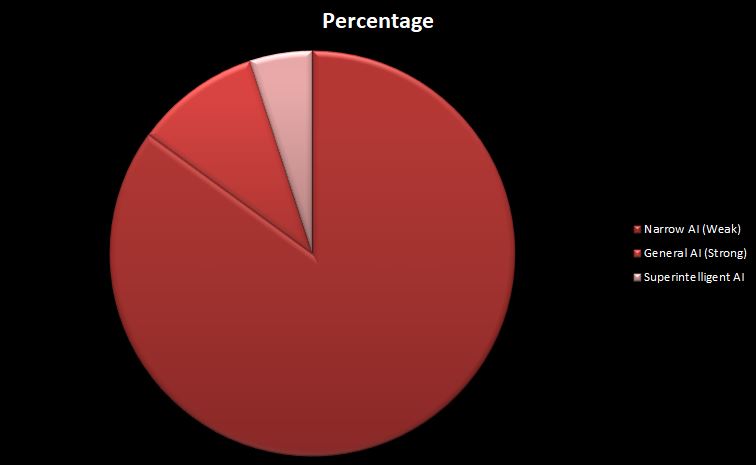 Narrow AI (Weak AI)
Think of this as a student who’s brilliant in just one subject but clueless about everything else. For example, Youtube suggesting videos you might like or Gmail filtering out spam emails — that’s Narrow AI. Super useful, but only for one specific job.
General AI (Strong AI)
Now imagine a student who can learn any subject, just like humans do — math, cooking, painting, anything. That’s what General AI is supposed to be. It’s the idea of an AI that can handle all kinds of tasks, not just one. We haven’t reached this stage yet, but researchers are working on it.
Superintelligent AI
This is like picturing a student who becomes smarter than all humans combined — a “super brain.” It doesn’t exist right now; it’s mostly an idea discussed in research, movies, and debates about the future. Some people find it exciting, others find it scary, but for now, it’s just imagination.
Real-Life Applications of AI
AI isn’t just something you read about in books — it’s already a big part of our daily lives and changing whole industries:
-
- Healthcare – Doctors use AI to spot diseases faster and read medical scans more accurately.
-
- Education – Online learning apps adjust lessons based on how fast or slow each student learns.
-
- Business – Banks use AI to catch fraud, and companies use chatbots to answer customer questions right away.
-
- Transportation – Self-driving cars and smart traffic systems are slowly turning into reality.
Benefits of AI
- Saves Time – It handles boring, repeat work so we can do better things.
- Gets Things Right – AI can go through huge amounts of data and give more accurate results.
- Never Sleeps – It works nonstop, day and night.
- Brings New Ideas – Helps us solve old problems in new and creative ways.
Challenges of AI
But of course, AI also has some downsides:
-
- Jobs at Risk – People worry machines might take over some types of work.
-
- Unfair Results – If the data is biased, the AI’s answers will also be biased.
-
- Privacy Issues – AI often needs personal data, and that can be risky.
-
- Too Much Dependence – Relying only on AI might make us lazy in thinking for ourselves.
AI Models
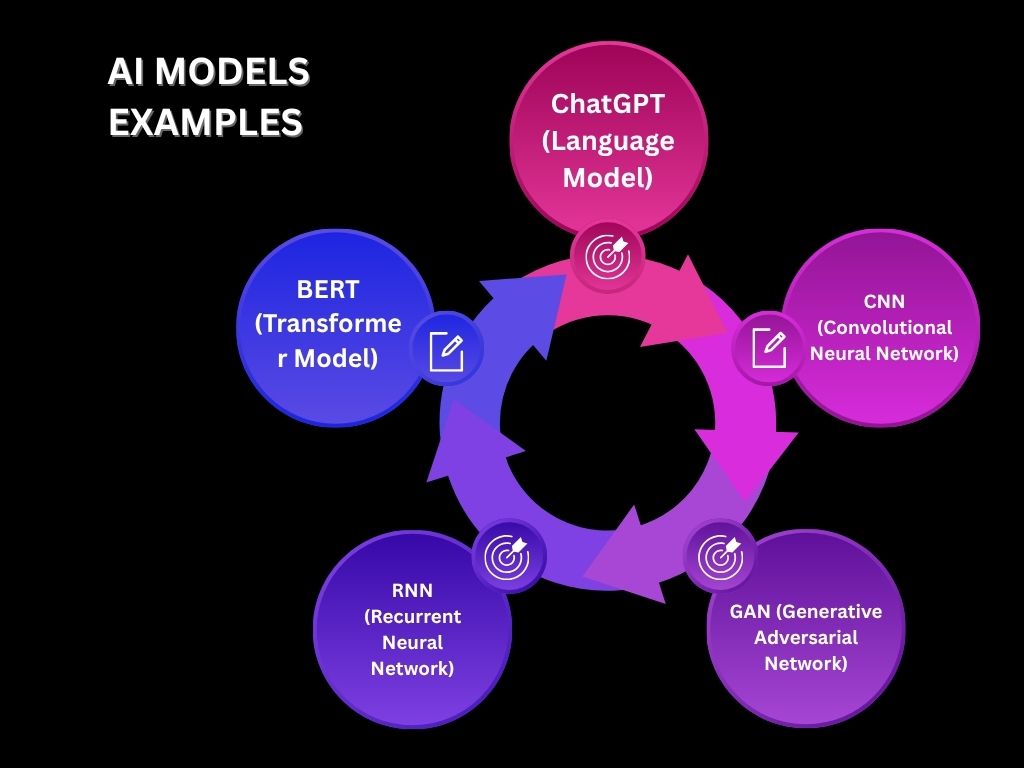
Now, here’s something really interesting that often comes up in Artificial Intelligence 101 or AI 101 — the idea of AI models. Think of an AI model like the “brain” of a smart system. Just like we humans learn from practice and experience, AI models learn from huge amounts of data.
For example, if you show a model thousands of pictures of cats and dogs, after some training it can tell you, “Hey, that’s a cat!” or “That’s a dog!” without needing your help. That’s the power of AI models explained in simple AI 101 style.
Some of the most common AI models you’ll hear about in Artificial Intelligence 101 are:
Machine Learning Models
These models learn from data step by step. A good example is your email app figuring out which messages are spam.
Deep Learning Models
These are like advanced versions that use “layers” of artificial neurons. They’re what make voice assistants, image recognition, and even self-driving cars possible.
Language Models (NLP Models)
These help machines understand and respond to human language. ChatGPT, which you might already know, is a great example often discussed in AI 101.
Generative Models
These don’t just analyze; they create. From new images and videos to entire essays, they’re a big focus in Artificial Intelligence 101 today.
So, in short, AI models are the heart of the technology. They’re what allow machines to notice patterns, make predictions, and sometimes even get creative — just like a digital version of learning and imagination.
The Future of AI
The future of AI is exciting, but also a little uncertain. Tools like ChatGPT and Google Gemini are getting smarter every day, yet we still need clear rules to use them safely.
One thing is sure: AI isn’t going away. The more you learn about it now, the better you’ll be ready for tomorrow — in jobs, in business, and even in everyday life.
Final Thoughts
Artificial Intelligence 101 isn’t only for tech experts — it’s for anyone curious about how our world is evolving. From ChatGPT helping people write essays to Google Gemini tackling complex problems, AI is becoming more like a digital partner in our everyday lives.
Many people ask, “Will AI replace humans?” The honest answer is no — but it will definitely transform the way we live and work. The best step you can take right now is to keep learning about AI, try out different tools, and stay aware of both its opportunities and challenges.